Mon – Fri: 7AM – 7PM | Sat: 8AM – 6PM

At 28°F, a hairline gap can become a place for water to freeze, expand, and work its way farther into the exterior. At Cal Dry Roofing, we look for those small weak spots before a stretch of wet, cold weather turns them into a larger repair. Around Carmel, IN, freeze-thaw cycles can shift materials. They can hold water in the wrong places and pull open edges that looked fine in October. Winter isn’t forgiving.
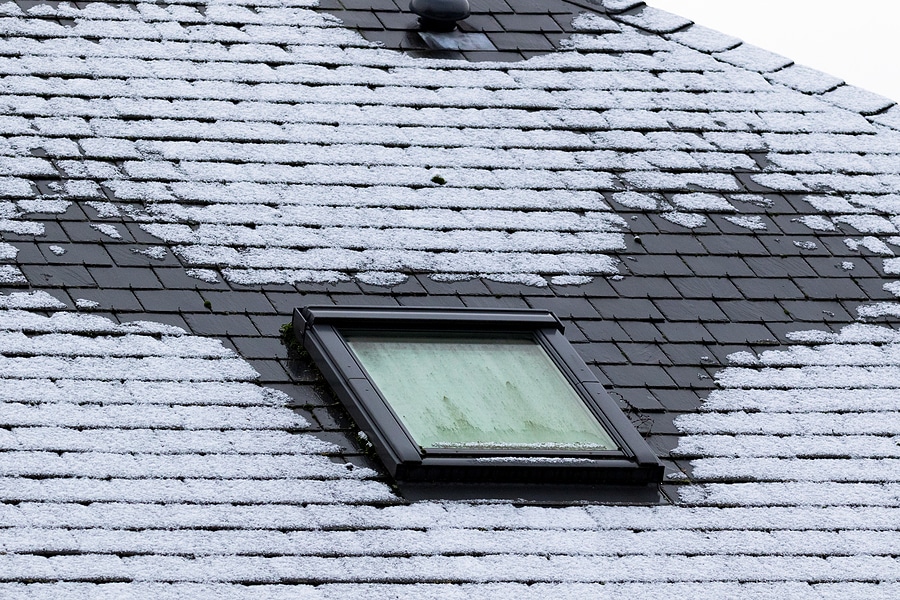
What Should Homeowners Check After the First Hard Freeze?

Our Roof Check Starts at the Shingles

An exposed nail head or one curled shingle tab can let melting ice slip beneath the surface. During a roof inspection, we check for lifted, cracked, curling, or missing shingles. Then we follow the signs around flashing, valleys, ridgelines, and roof penetrations. We explain what we find and what it means in plain English.

  • Shingle edges: Broken or lifted tabs often show up after materials contract in the cold.
  • Flashing details: Metal transitions get a close look, especially where ice can push water through a seam.
  • Roofline staining: Discoloration may point to water moving where it should not.

Roofline Checks After Freezing Weather

Brown water marks, soft trim, and a gutter full of frozen debris can all point to trouble at the roofline. We check for blocked drainage, gaps behind exterior materials, and sections that sag under the weight of retained ice. Even a few inches of standing water can leave fascia vulnerable.

A fist-sized clump of leaves can pack tightly inside a gutter after one freeze. During every gutter inspection, our team checks downspouts, end caps, fasteners, and gutter pitch so runoff can move away from the house. Water spilling over a frozen gutter can soak fascia and turn a small issue into a wider repair.

  1. We clear the view: Debris, standing water, and overflow marks tell part of the story.
  2. We test alignment: We look for gutter runs that are pulling away from the eaves or sitting at the wrong angle.
  3. We explain the fix: You’ll hear what we found, where it is, and what work makes sense.

Our Exterior Review Covers Siding, Soffit, and Fascia

A split along one siding seam may look minor from the driveway, but trapped moisture can widen it when temperatures drop overnight. With a siding inspection, we check panels, trim, corners, and joints for warping, loose pieces, and damp areas. We also look for related problems around soffits and fascia. These roof-edge components help protect the home from moisture while supporting proper ventilation.

One loose fascia board or warped siding panel is easier to address before deeper winter weather arrives. Cal Dry Roofing looks at the damage around your home and lays out a clear next step. Call us at (463) 583-1477 or contact us to get started.
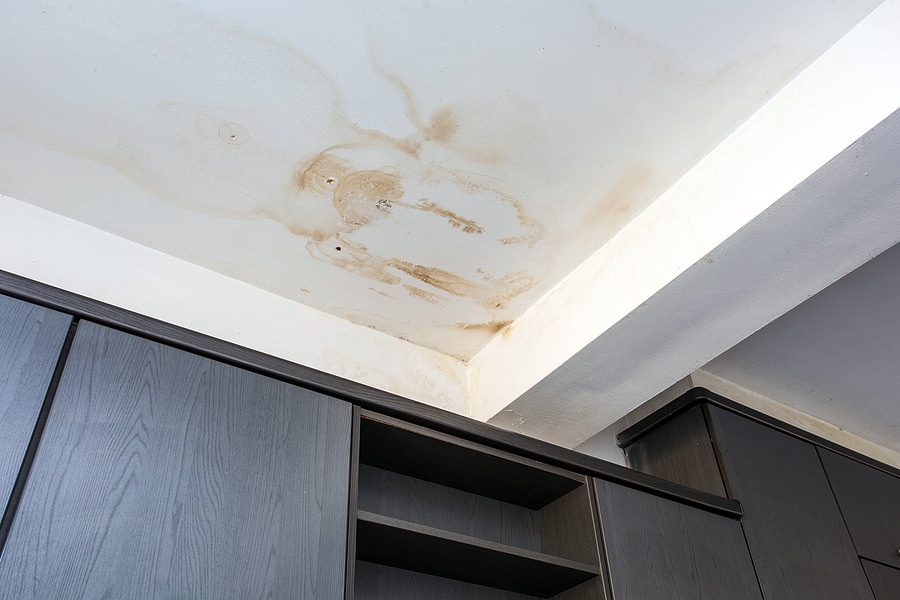
After a hard Carmel rain, a ceiling spot may show up several feet from the actual leak. At Cal Dry Roofing, we know a pinhole opening can send water along framing, under shingles, or into insulation before anyone sees a drip. The roof may still look fine from the driveway. That small mark indoors is worth taking seriously.

Can a Small Roof Leak Cause Big Problems?

Early Leak Warnings Need Attention

A brown ring near a light fixture, damp drywall, or paint that starts to bubble can point to water above the ceiling. The source can stay hidden. During a roof inspection, we check the roof’s weak points and follow the clues back to the source before another storm adds to the damage.

  • Ceiling stains: Their shape, edge, and location can narrow the search.
  • Damp spots: Soft drywall or a cool, wet patch may mean moisture is sitting behind the finished surface.
  • Peeling paint: Bubbling paint often follows repeated exposure, not just one rainy afternoon.

Stopping a Small Roof Leak Before It Spreads

Water can travel along a rafter for several feet before it drops into a room. Indoor stains can mislead. So we don’t base the repair on an indoor stain alone. We find the opening, stop the water where it enters, and look at the materials around it. Catching a leak early can help keep a smaller roofing problem from turning into wet decking, damaged insulation, or additional interior damage.

  1. Entry point: Flashing, pipe boots, valleys, and drainage areas get a close look for the break.
  2. Moisture signs: We look for evidence that water has reached the roof deck or materials beneath the roof surface.
  3. Repair scope: You hear what we found, what needs attention now, and why.

Our Repairs Restore the Roof’s Water Barrier

Loose flashing around a vent pipe can let rain slip beneath otherwise sound shingles. Once we confirm the cause, our roof repair work focuses on that failed area rather than hiding the evidence with a quick patch. We reset shifted materials, replace worn seals, and correct flashing details. Then we inspect the nearby section for related trouble.

  • Targeted work: The damaged area gets materials that match the existing roof.
  • Clear findings: We explain the cause in plain English, without vague guesses.

If a ceiling spot appears after a storm, it’s worth finding out where the water started. At Cal Dry Roofing, we inspect leaks and repair roofs for homeowners throughout Carmel, IN. Call us at (463) 583-1477 or contact us to get started.

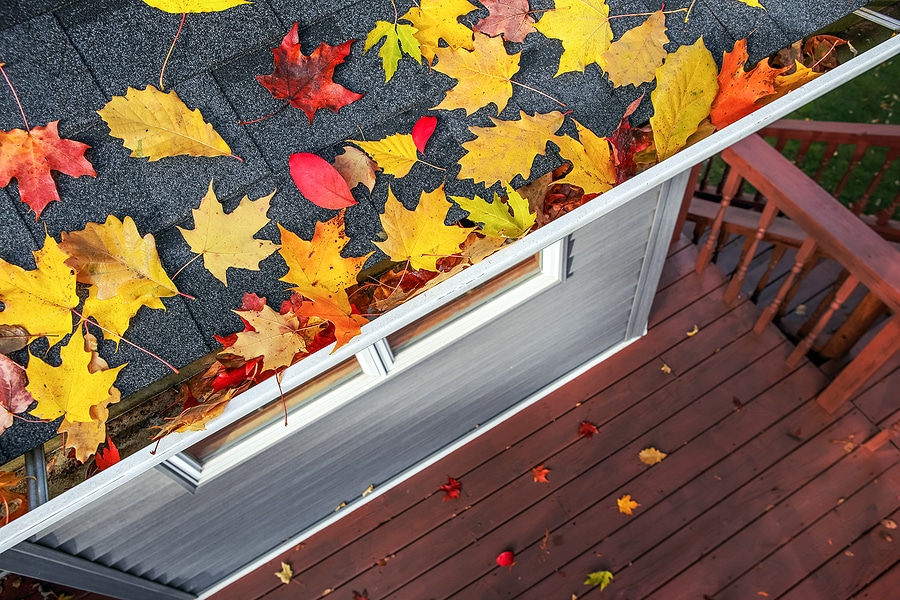
In Carmel, a gutter can fill with wet maple leaves after just one windy weekend. At Cal Dry Roofing, we look at roofs and gutters before that mess turns into overflow along the roofline. Packed debris holds water against the edge of the house, and it can send rain where it doesn’t belong. We clear it out. Then we follow the water’s path and point out exterior trouble worth fixing before colder weather moves in.

How to Prepare Your Roof and Gutters for Falling Leaves

We Clear Debris Before It Packs Down

A two-inch layer of soggy leaves can become surprisingly heavy after a hard rain. Near the eaves, we often find leaf mulch, small branches, and shingle grit pressed together in the gutter. During our gutter inspections, we check the troughs, outlet openings, fasteners, and slope, not just what shows from the driveway. When cleaning is needed, removing loose debris helps keep it from turning into a stubborn mat.

  • Open channels: Leaves, twigs, and roof sediment are cleared from the full gutter run.
  • Clean outlets: We pull out the packed material sitting where rain should begin moving downward.
  • Secure hardware: Hangers and end caps get a close look for shifting, gaps, or looseness that slows drainage.

We Prepare Your Roof for Falling Leaves

Leaves tend to settle in valleys, behind chimneys, and along shingle edges after an afternoon storm. We check those spots, along with shingle courses and flashing, for early signs of trouble. Catching a loose piece now is usually simpler than dealing with water after several cold rains.

We Read the Details at the Roof Surface

After a blustery day, lifted shingle edges and debris-filled valleys can be hard to spot from the ground. Our roof inspections let us look closely at those areas and explain the condition in plain English. If the roof calls for roof repair, we fix damaged sections before moisture gets into the layers below.

  1. Shingle condition: We look for cracks, curled edges, missing pieces, and worn areas.
  2. Flashing connections: Metal around vents, walls, and other roof transitions is checked for gaps or movement.

We Keep Rain Moving Away From Your Home

At the bottom of a gutter run, even a small clog can make water spill over in the wrong place. We test where collected rain exits and where it lands around the house. If soil is washing away or water is gathering near the foundation, we trace the issue through the drainage path. Our gutter repairs address sagging sections, leaks, and drainage problems that often get worse in fall.

  • Downspout flow: We remove blockages so trapped rain can leave the system.
  • Drainage signs: Overflow streaks, washed soil, and puddles near the house can point to a drainage issue.

A pre-winter walkaround can reveal a lot about how the exterior is handling rain. At Cal Dry Roofing, we inspect, clean, and repair the roof and gutter areas that falling leaves can affect for homeowners in Carmel, IN. Call us at (463) 583-1477 or contact us to get started.

When you start noticing shingles scattered in your yard or a spike in your energy bills, it may be time to consider whether you need a roof repair or roof replacement. But how do you know if the problem calls for a simple repair or a complete replacement? At Cal Dry Roofing, we help homeowners understand the condition of their roof and choose the right next step.

How to Know If Your Roof Needs Repair or Replacement

What Homeowners Should Know

  • Missing shingles may be a sign that your roof needs repair or replacement.
  • Leaks or water damage inside your home can indicate serious roof issues.
  • An increase in energy costs could point to problems with your roof, ventilation, or overall home efficiency.
  • Regular roof inspections can help identify issues early.

How Can You Identify the Need for Roof Repair or Replacement?

One of the most common signs that you might need roof repair is missing or damaged shingles. If you notice shingles that are curled, cracked, or absent, our team can inspect the affected areas and recommend the best way to prevent further damage.

Water damage inside your home is another clear sign of roof problems. Look for water stains on ceilings or walls, musty odors, or signs of moisture in the attic. If you notice these issues, it is time to contact us for a thorough roof inspection.

What Role Does Your Energy Bill Play?

Have you noticed a sudden increase in your heating or cooling costs? While there can be several causes, your roof may be part of the problem if it is damaged, aging, or not helping protect your home properly. A well-maintained roof plays an important role in keeping your home comfortable, so rising energy costs may be a reason to explore your repair or replacement options.

Why Is Regular Inspection Necessary?

A roof inspection is a proactive measure that can save you from costly repairs or replacements in the long run. Our experienced team can identify potential issues before they become larger problems, helping your roof stay in good condition and continue protecting your home.

Don’t wait for small roof problems to turn into major damage. Cal Dry Roofing can inspect your roof, explain your options, and help you decide whether repair or replacement is the right choice. Based in Carmel, IN, and serving the greater Indianapolis area, we provide dependable roofing solutions for local homeowners. Contact us at (463) 583-1477 to schedule an inspection or discuss your roof replacement options.