Mon – Fri: 7AM – 7PM | Sat: 8AM – 6PM

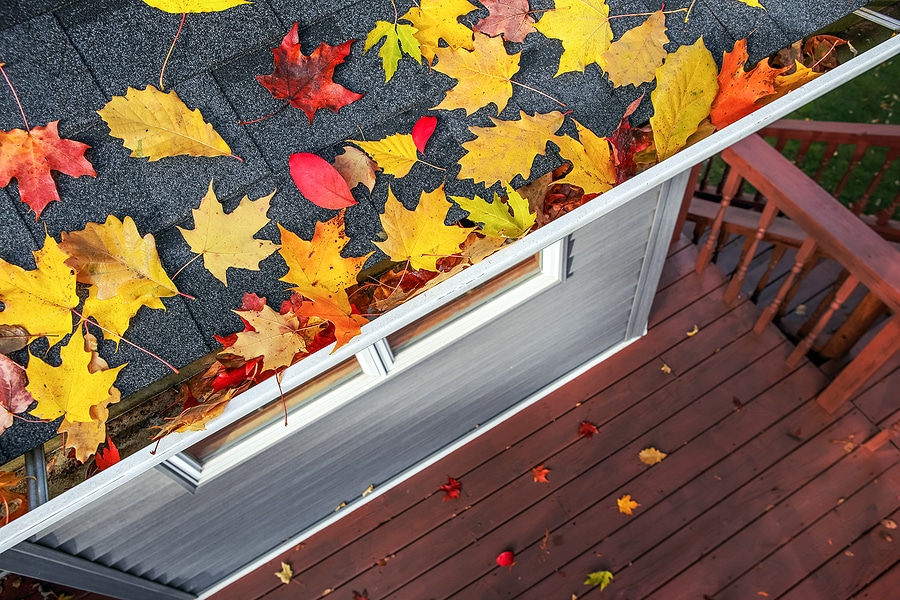
In Carmel, a gutter can fill with wet maple leaves after just one windy weekend. At Cal Dry Roofing, we look at roofs and gutters before that mess turns into overflow along the roofline. Packed debris holds water against the edge of the house, and it can send rain where it doesn’t belong. We clear it out. Then we follow the water’s path and point out exterior trouble worth fixing before colder weather moves in.
We Clear Debris Before It Packs Down
A two-inch layer of soggy leaves can become surprisingly heavy after a hard rain. Near the eaves, we often find leaf mulch, small branches, and shingle grit pressed together in the gutter. During our gutter inspections, we check the troughs, outlet openings, fasteners, and slope, not just what shows from the driveway. When cleaning is needed, removing loose debris helps keep it from turning into a stubborn mat.
- Open channels: Leaves, twigs, and roof sediment are cleared from the full gutter run.
- Clean outlets: We pull out the packed material sitting where rain should begin moving downward.
- Secure hardware: Hangers and end caps get a close look for shifting, gaps, or looseness that slows drainage.
We Prepare Your Roof for Falling Leaves
Leaves tend to settle in valleys, behind chimneys, and along shingle edges after an afternoon storm. We check those spots, along with shingle courses and flashing, for early signs of trouble. Catching a loose piece now is usually simpler than dealing with water after several cold rains.
We Read the Details at the Roof Surface
After a blustery day, lifted shingle edges and debris-filled valleys can be hard to spot from the ground. Our roof inspections let us look closely at those areas and explain the condition in plain English. If the roof calls for roof repair, we fix damaged sections before moisture gets into the layers below.
- Shingle condition: We look for cracks, curled edges, missing pieces, and worn areas.
- Flashing connections: Metal around vents, walls, and other roof transitions is checked for gaps or movement.
We Keep Rain Moving Away From Your Home
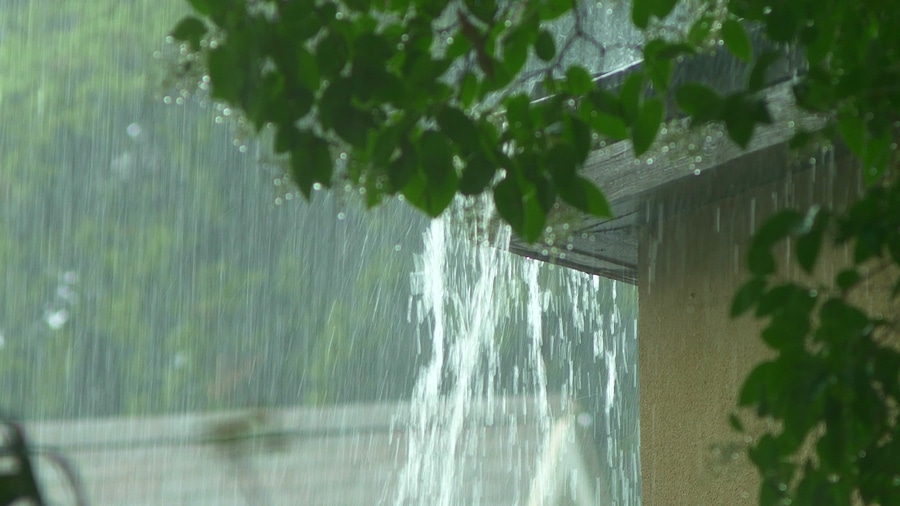
At the bottom of a gutter run, even a small clog can make water spill over in the wrong place. We test where collected rain exits and where it lands around the house. If soil is washing away or water is gathering near the foundation, we trace the issue through the drainage path. Our gutter repairs address sagging sections, leaks, and drainage problems that often get worse in fall.
- Downspout flow: We remove blockages so trapped rain can leave the system.
- Drainage signs: Overflow streaks, washed soil, and puddles near the house can point to a drainage issue.
A pre-winter walkaround can reveal a lot about how the exterior is handling rain. At Cal Dry Roofing, we inspect, clean, and repair the roof and gutter areas that falling leaves can affect for homeowners in Carmel, IN. Call us at (463) 583-1477 or contact us to get started.